Social and Emotional Education. An International Analysis. 2008

Presentation

In 2007 the Botín Foundation began this line of research with the aim of analysing, in collaboration with renowned experts, the state of social and emotional education in various countries. The results of this research, which analysed 21 countries in the subsequent years, have been made known via the dissemination of meaningful educational experiences which took place in these countries, published in various reports in 2008, 2011, 2013 and 2015 (click here to view them). This research contributes knowledge, know-how and innovative propositions for tackling the challenge that we never lose sight of: improving educational quality and wellbeing in childhood and adolescence through the holistic development of individuals.

In these reports you can also consult the latest research associated with the impact of social and emotional education, in studies carried out in the global and European spheres as well as at the local level, thanks to the results obtained from the educational programme implemented by the Botín Foundation in Cantabria.

Finally, the 2015 report presents the process that was carried out to create two tools designed by the Botín Foundation to measure emotional intelligence in adolescents (TIEFBA) and in children (TIEFBI) (each of these must take you to the application’s website).
Images

Catalog results

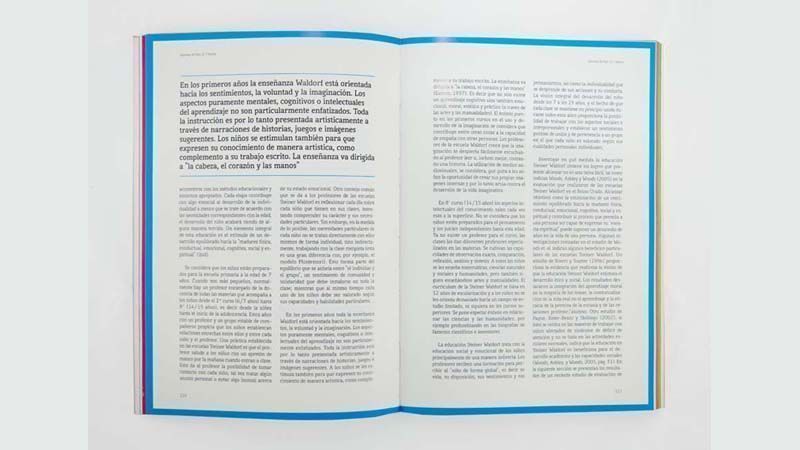
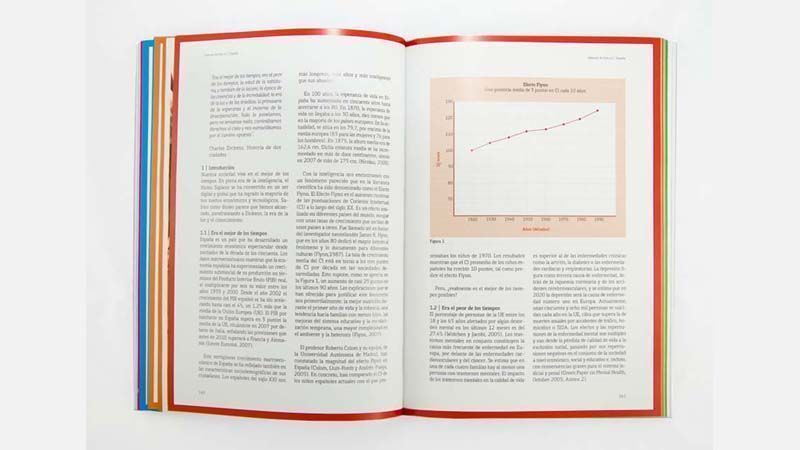
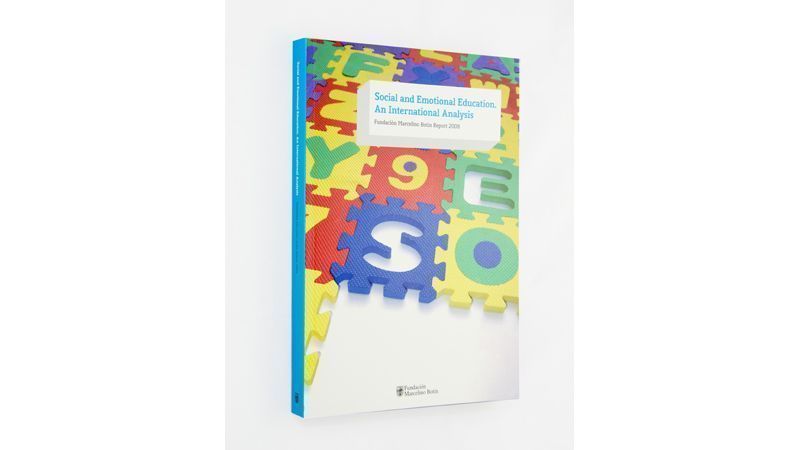
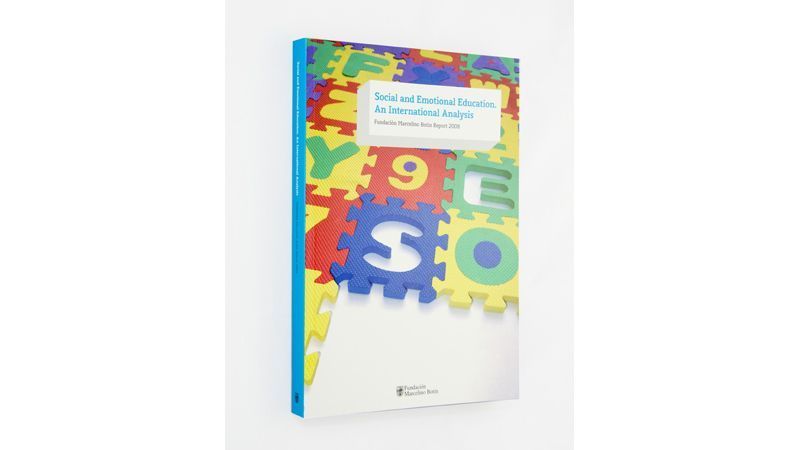
Emotional and Social Education. An International Analysis. Fundación Botín Report 2008.

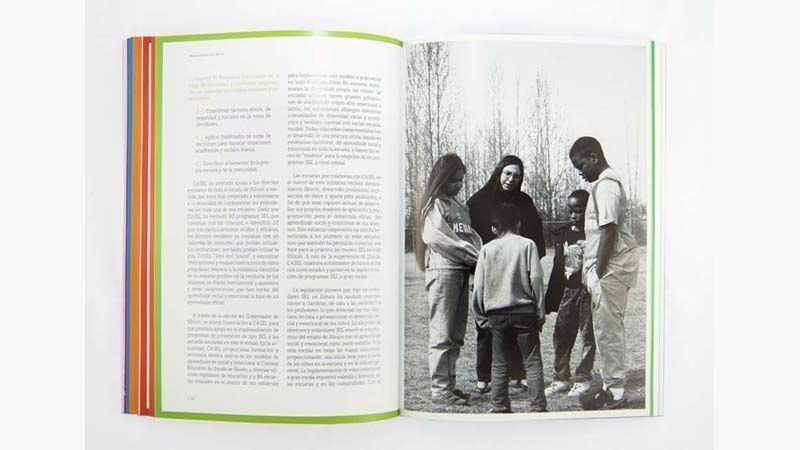
The first report in this series, featuring an introduction that offers a reflection on education and the need to work together to promote the holistic development of children. 6 chapters are presented; these offer an explanation of the status of social and emotional education in Germany, the Netherlands, Spain, Sweden, the United Kingdom and the USA. The expert authors of these texts give an account of the evolution of the educational systems in said countries as well as of the current situation, through specific examples and descriptions of innovative experiences. The final chapter focuses on one of the great challenges in this area: evaluating results. The contributions of scientific research are presented in terms of the benefits produced by social and emotional education in the school environment.

Research's Responsables

Christopher Clouder

Christopher Clouder FRSA is a freelance speaker, writer and consultant on questions of childhood, innovation in education, cultural evolution and creativity. He was the founding director of the Botin Platform for Innovation in Education and has led international research into Social Emotional Education and Creativity and the Arts. He is a co-founder of the Alliance for Childhood, a member of the Learning for Well-being Community and the International Forum for Steiner Education. From 1991 to 2012 he was the founding CEO of the European Council for Steiner Waldorf Education.

Bo Dahlin

Bo Dahlin is Professor emeritus in Education at Karlstad University, Sweden. He was born 1948 in Stockholm. He took his PhD in Education in 1989, his thesis was about religious education in Swedish comprehensive schools. He spent most of his vocational life at Karlstad University, Sweden, where he became Professor of Education in 2004. In 2005, he became engaged in Steiner Waldorf education, teaching at a Master’s program at Rudolf Steiner University College in Oslo. His research focus on the philosophical and spiritual aspects of education.  He retired from his university position in 2012.

René Diekstra

Professor and Director, Department of Youth and Development at the University for Professional Education, The Hague. Also works in the Roosevelt Academy, University of Utrecht. He has developed extensive research to evaluate and support the development of children and adolescents, including its successful Skills for Life program. He is a writer, columnist and expert in suicide prevention and adolescent and youth development

Pablo Fernández Berrocal

Professor of Psychology. Emotion Laboratory Director at the University of Malaga, which has more than ten years working on emotional intelligence and its relationships with other relevant variables being of people. His professional activity is focused in this area. He is the author of numerous books and articles on Emotional Intelligence and one of the leading researchers and experts national and international levels in the field.

Belinda Heys & Neil Ravenscroft

Belinda Heys is a consultant, researcher and coach. Since 2007 she has collaborated with the Botin Foundation on a number of projects on the themes of creativity and social and emotional education. She worked with Christopher Clouder and the Foundation to foster the work of the Platform for Innovation in Education, as a researcher, author, editor and project co-ordinator. She has a particular interest in the connections between nature, well-being and creativity & co-authored a chapter on this theme with Dr Neil Ravenscroft of the University of Brighton for the book Good Morning Creativity.

Dr. Neil Ravenscroft: is a professor of Land Economy and Director of Postgraduate Studies, Science and Engineering at the University of Brighton in the United Kingdom. He has over 25 years of experience in researching subjects relating to the creative sector, natural resources, community development and relationships between people and nature. In addition to his work in the academic sphere and in policy development, he also directs Tablehurst Farm, a community-owned farm in the southeast of England, and Plumpton College, an institution that specialises in land-based subjects, located near Brighton in England.

Linda Lantieri

She is a keynote speaker, author and international expert on social and emotional learning, conflict resolution, intergroup relations and intervention in times of crisis. program-founder of RCCP (Resolving Conflict Creatively) applied in 400 schools in 15 school districts in the United States and pilot projects in Brazil and Puerto Rico. Linda is also one of the founding members of the Collaborative for Academic, Social and Emotional Learning (CASEL), located at the University of Illinois at Chicago. CASEL's mission is to help social and emotional learning as an essential part in education worldwide and in all stages of education.

Harm Paschen

Received his first chair in 1971, at the Teacher Training College in Kiel. In 1980 he joined the Faculty of Education at the University of Bielefeld, devoting their work on this chair to the philosophy of education. He is currently a lecturer (travels the globe spreading their educational work), writer and remains active in the academic world. It belongs to the "Laborschule" from his college and is part of the Center for Multidisciplinary Research (ZiF).

Can we help you?

If you need information or want to make a suggestion, please contact us below. Thank you.

Choose the reason for the message

Are you a friend of Centro Botín?

What do you want to ask us about?


We use cookies to gather data about your visit and analyse it in order to improve our website and serve personalised content. Go to our cookie policy for further information and manage your cookie settings.

Cookie settings

Choose the types of cookies you want to allow on our website and then click the save button to save your preferences.

Functional cookiesFunctional cookies are used to ensure the proper functioning of the website.

Analytical cookiesAnalytical cookies are used to analyse site usage for greater optimisation and usability.

Social media cookiesSocial media cookies are used to connect the website to third-party social media platforms like YouTube and Facebook. They can track your personal data.

Advertising cookiesAdvertising cookies are designed to gather information from you on your device to display third-party advertisements on relevant topics based on your interests. They can track your personal data.

OthersThis website also uses third-party cookies for services other than analytics, social media and advertising.